01Principle
Feel is a feature.
Latency, motion, weight and rhythm are part of the product. If an interface feels wrong, it is wrong regardless of what the spec says.
Folorunsho Ahmed Olajide, aka Crazy Codes
I design products, build WordPress sites, and ship custom software for startups and teams. I take messy ideas and turn them into brands, websites, and apps that actually convert. Growth you can measure matters more than code for its own sake.

Currently
Full Stack @ Nuage
I'm Folorunsho Ahmed Olajide, known online as Crazy Codes. I solve business problems, and not only with code. I work across product design, branding, WordPress, and custom development so you get the right solution for your stage, budget, and goals.
Over six years I've designed brands, launched WordPress sites for businesses, and shipped 34+ web and mobile products across real estate, fintech, and SaaS. I don't just make things look good. I build experiences that win users, keep them, and turn attention into revenue.
Whether you need a WordPress site you can manage yourself, a full brand system, or a custom product, if you care about the bottom line, we should talk.
What I do
Wireframes to polished, high converting interfaces designed to turn visitors into paying customers.
Business sites, landing pages, blogs, and WooCommerce stores that are fast, easy to edit, and built to convert.
Visual systems that make your brand feel trustworthy and premium so people feel safe paying you.
When you need more than a site, I build React and Next.js products that grow with your business.
Nuage
South Africa (Remote)
Building and maintaining full stack features for a global fintech platform. Developing dashboards and interfaces for account balances and transaction history, plus backend APIs and infrastructure supporting secure, multi currency money movement for users across 100+ countries.
Freelance
Remote
Delivered short term development engagements for clients while transitioning between full time roles.
Mansior
Lagos State, Nigeria
Led front end development for a real estate platform, improving user experience and optimizing site performance. Collaborated with back end teams to integrate APIs and enhance property management functionalities.
Freelance
Global (Remote)
Developed and deployed a responsive web application that improved user engagement by 40% within 2 months. Implemented RESTful APIs and microservices architecture to increase performance and reduce load. Used React and Node.js to build scalable applications and deliver projects ahead of deadlines.
Ajian Labs
Nigeria
Developed and maintained front end features using React.js in a dynamic team environment. Assisted in debugging and testing UI components for responsive design and performance.
Global Axis
Lagos State, Nigeria
Supported the front end team in building UI components and fixing bugs. Gained hands on experience in HTML, CSS, and JavaScript development.
I care about the business behind the product. Every decision is weighed against one question: will this help you make or save money?

Before a single line of code, I dig into your users, goals, and numbers. The best products start with the right question, not the flashiest feature.
I shape the brand and experience, then build it. WordPress when you need speed and ownership. Custom apps when you need scale. Premium look, practical stack.
I ship fast, watch how real users behave, and iterate on what moves the metrics that matter: signups, retention, and revenue.
From WordPress sites and brand systems to custom apps, I pick the right tool for the business goal, not the trend.
A cross-section of product, tooling, and experiments. Each card links to the live project.
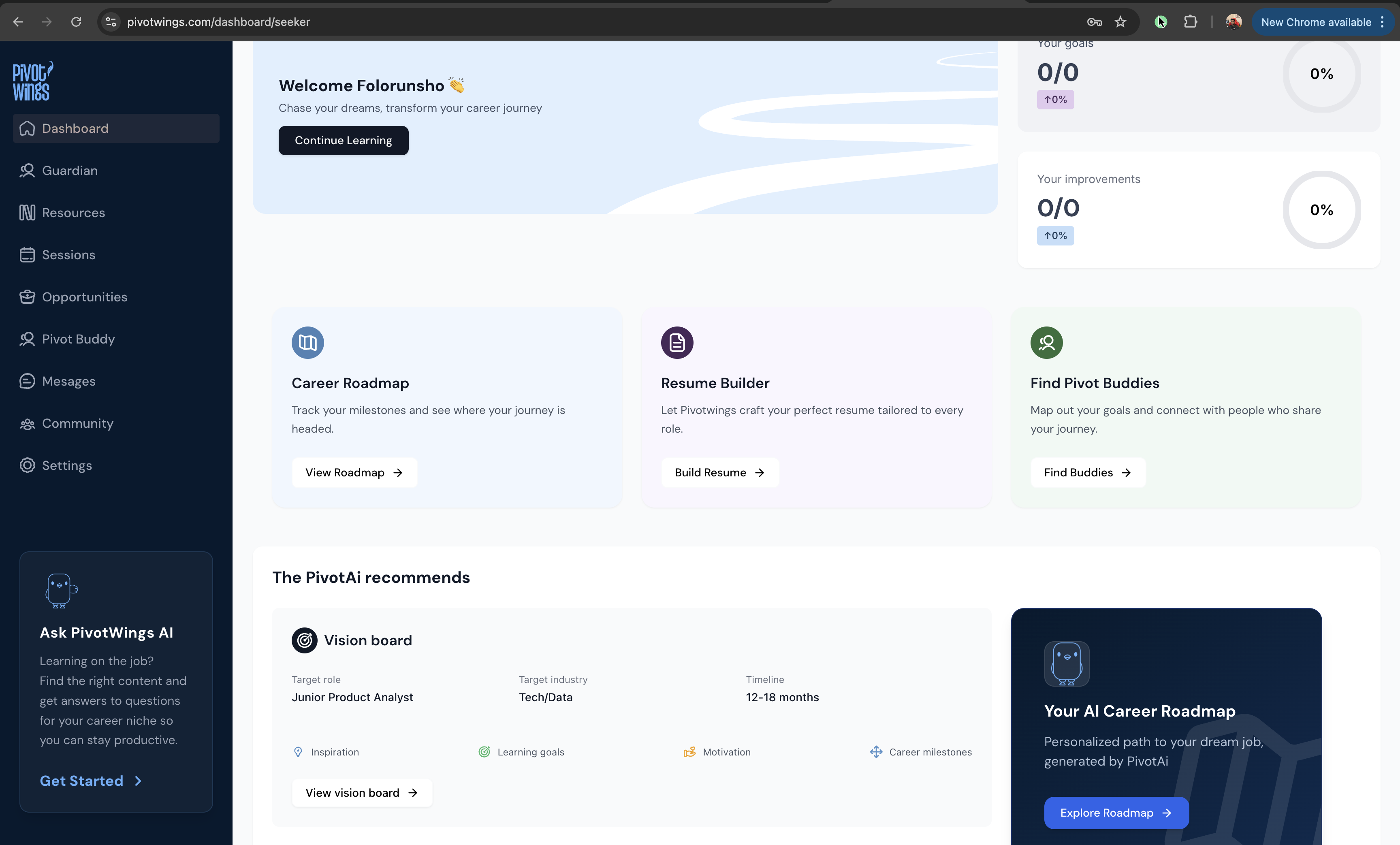
Career development platform with structured roadmaps, vision boards, mentorship, AI guided learning paths, video sessions, and a resume builder, from skill discovery to job readiness.
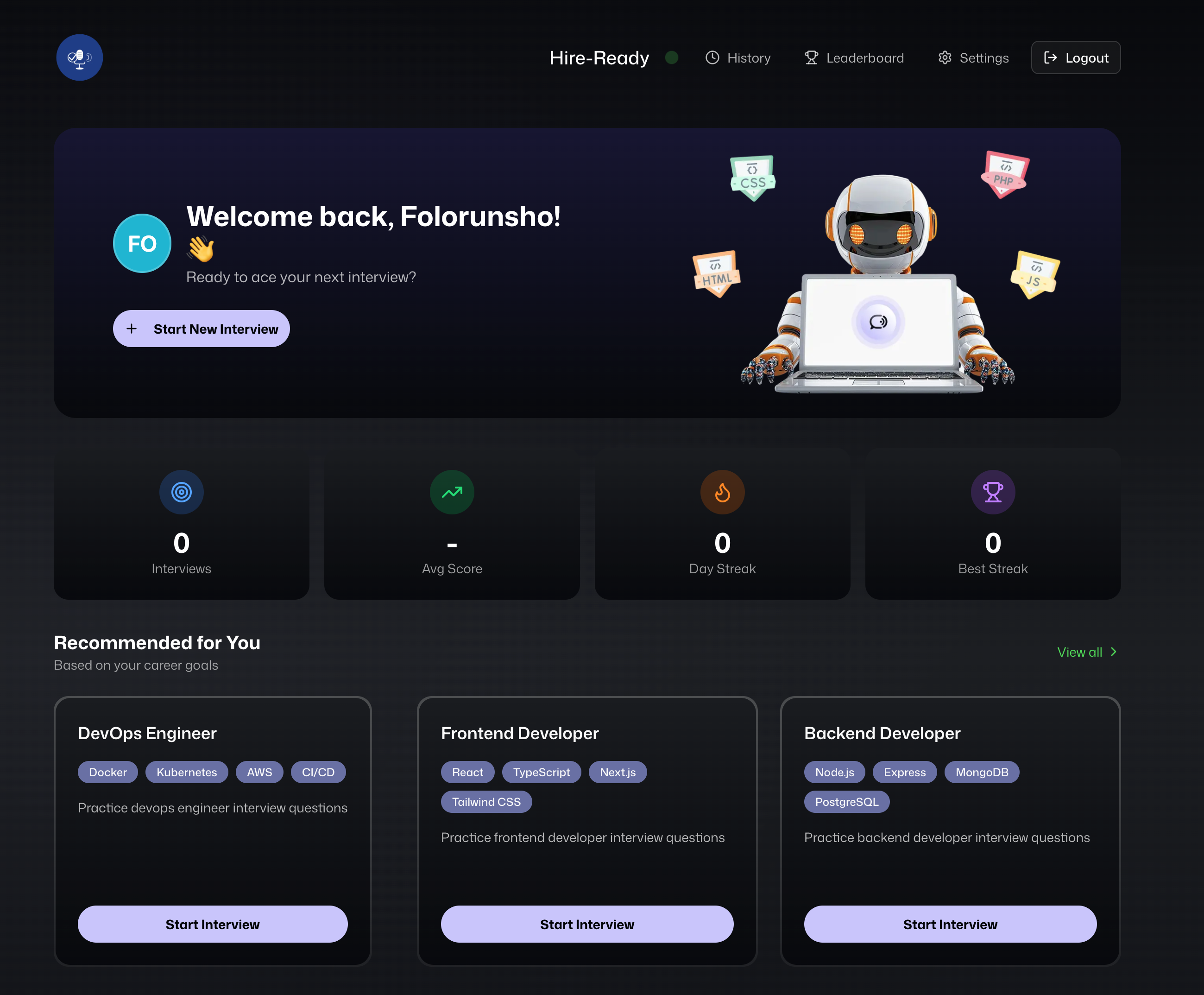
AI powered interview practice with voice activated agents tuned to a candidate's role and stack. Onboarding, real time simulations, and transcript review.
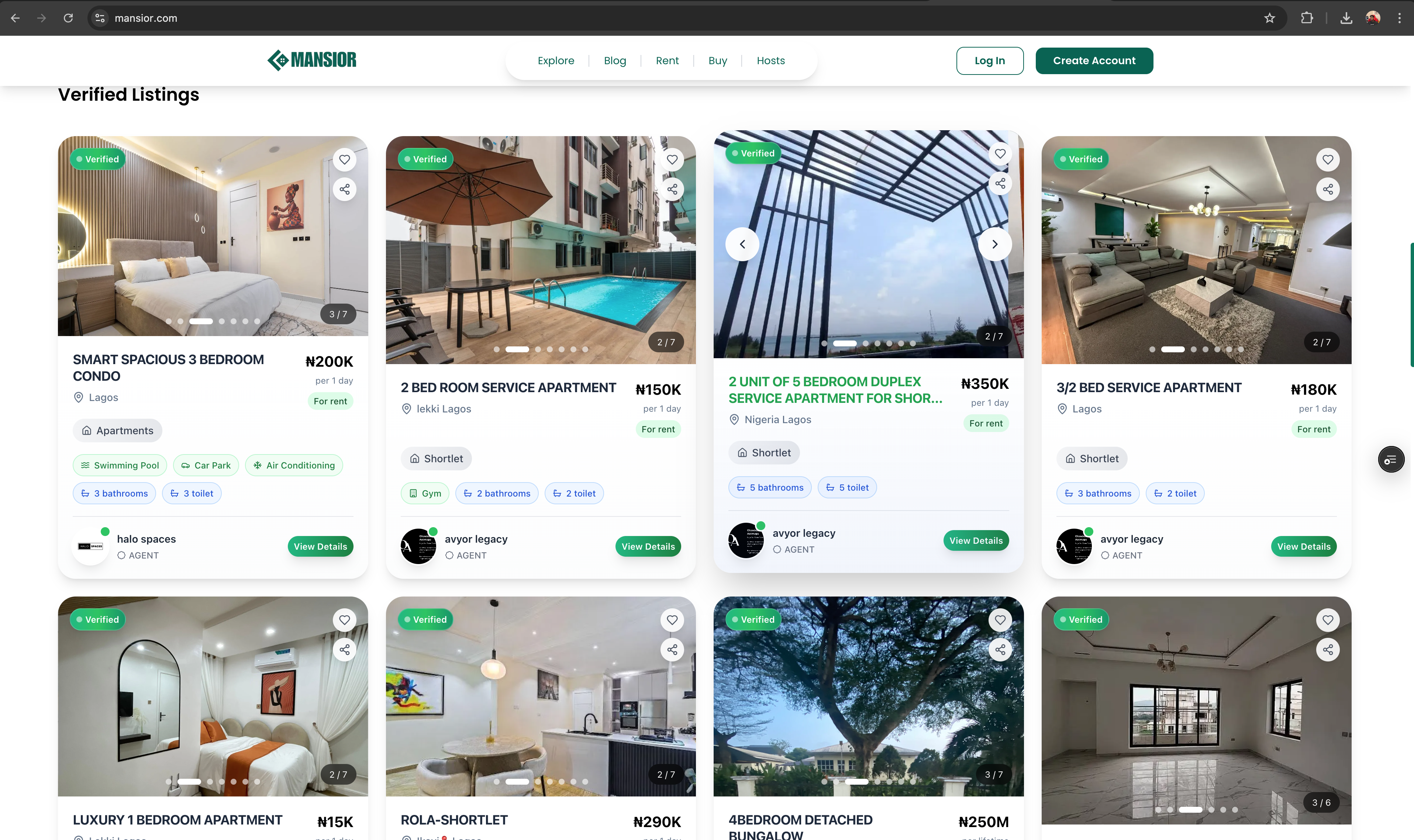
Real estate platform that replaces agent fees with escrow, AI assisted search, in app messaging, and property management for landlords and tenants.
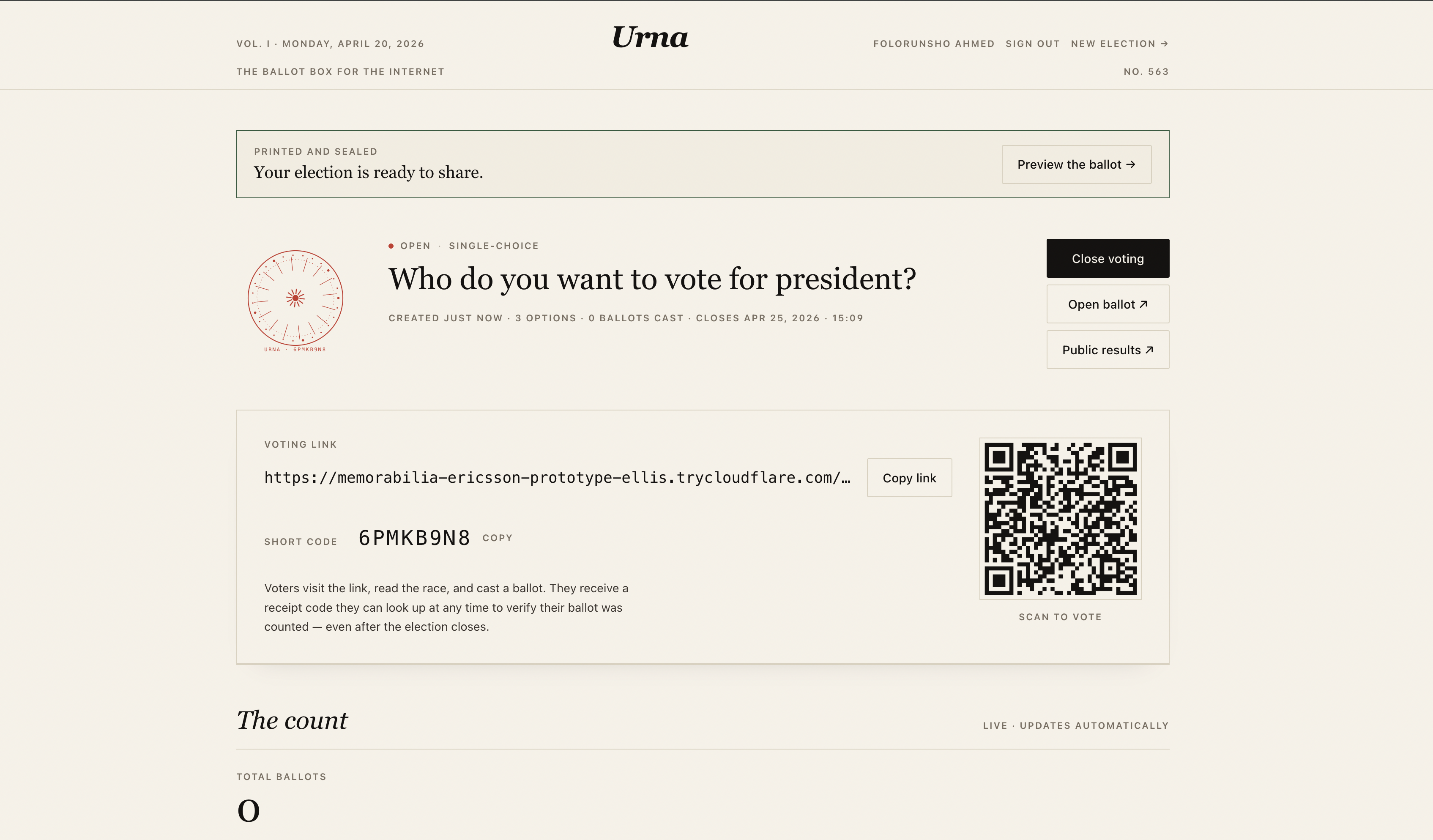
Sign up free, verifiable voting for small groups. Tamper evident hash chain, receipt codes, and zero friction for voters. Just a link.
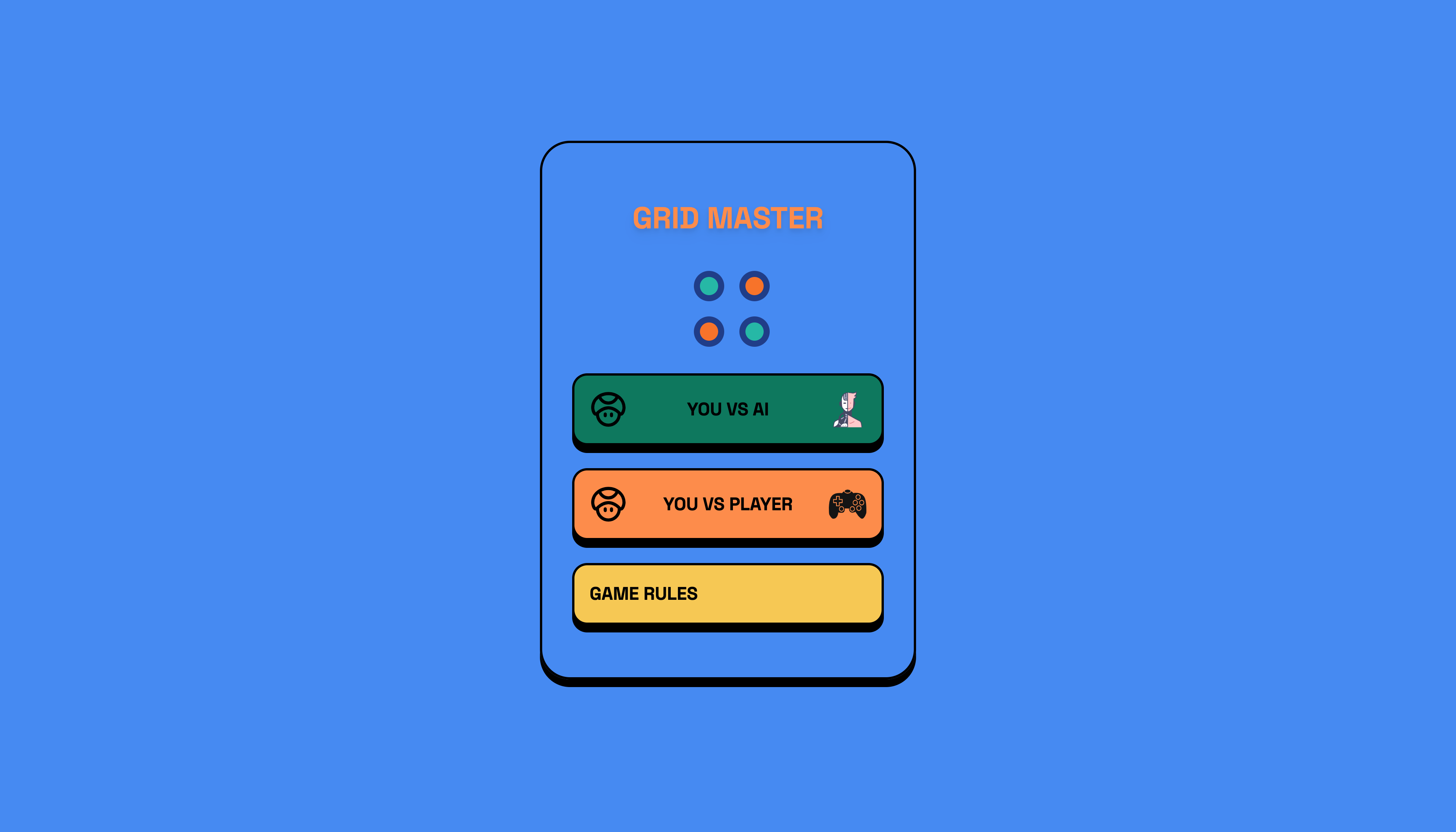
A Connect-Four-style strategy game for all ages. Clean state model, considered animation, and small enough to fit in a weekend.
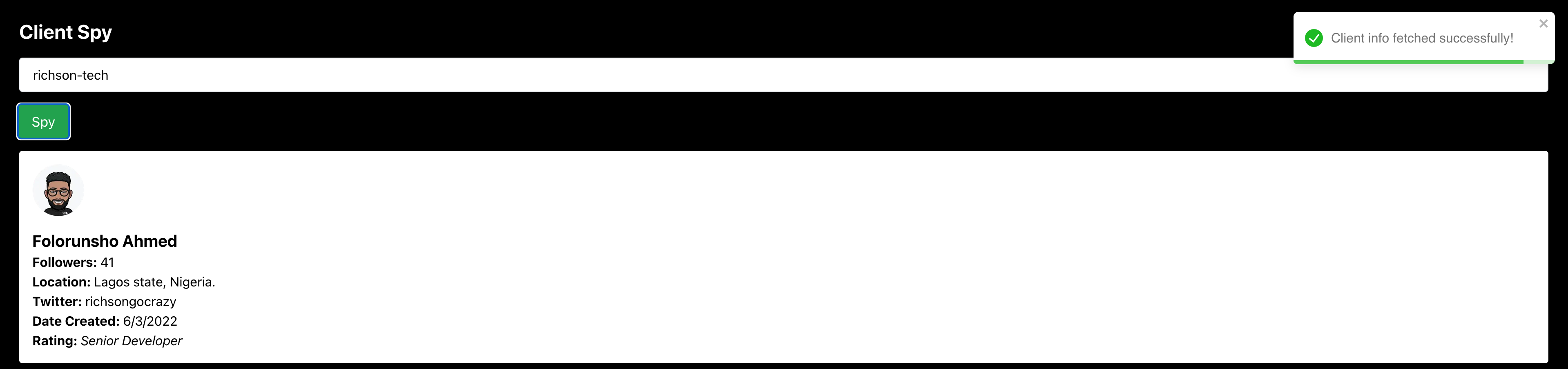
Turns the GitHub API into a readable profile with tailored views for developers exploring peers and clients vetting hires.
Most recent client work is under NDA.
See more on GitHub →Latency, motion, weight and rhythm are part of the product. If an interface feels wrong, it is wrong regardless of what the spec says.
The best version of a feature is the one in production today, learning from real users. I prefer one careful change a week to a ten page rewrite.
Code is a medium. So are docs, commit messages, and tweets. Clear writing compounds. It teaches the next engineer, and often that person is future me.
I default to Postgres, Next.js, TypeScript, and a small set of tools I trust, then spend the saved complexity budget on the product itself.
Freelance projects, full time roles, and product collaborations. I reply within a day, most days.